
Data, formulas, processes and intelligence, natively interconnected.
What sets it apart is not putting ten pieces of software in one interface. It is a system where every application runs on the same engines: one database, one calculation engine, one reporting layer and one intelligence, built once and for all.
Intelligence on top, shared engines at the core.
The ten functional domains are applications built on shared engines. New modules are added without rebuilding a database, a calculation engine, a reporting system and an artificial intelligence each time.
The AI doesn’t replace your existing applications: it maps them, connects them, completes them and, where it makes sense, creates native features.
Artificial intelligence layer
Company architect, financial intelligence, executive copilotShared engines
Built once, used by every applicationBusiness applications
The ten domains of the companyConnectivity and security
API, ERP, CRM, HRIS, accounting, identities, permissions, auditA centralised, shared database.
No more one database per application. The Data Core is the central reference for all of the company’s data.
- Data created in one module is available to the others, according to the rights you set.
- A change flows into every view and analysis concerned.
- Customers, suppliers, employees and products: shared reference data.
- Financial data feeds the dashboards directly.
- The AI has a cross-functional view of the company.
Shared does not mean mixed
A multi-tenant database, with strict logical separation of each company’s data, access control, encryption and traceability. Transactional data, documents and analytical data each get the storage that suits them, within one logical infrastructure.
- Shared data: common structures and definitions
- Your own data: your transactions, documents, customers, employees
- Shared intelligence: generic formulas and methods, without exposing anyone else’s data
One indicator, one definition, everywhere.
Too many companies recompute the same indicators in several tools, with different definitions. The formula library ends that: an indicator created in the Finance module is instantly reused in a management dashboard, a report or an application, without being recomputed elsewhere.
- Shared standard library
- Custom formulas
- Variables and dependencies
- Composable formulas
- Unit and period checks
- Versioning and history
- Tests before publishing
- Edit permissions
- Documentation by the AI
- Each company’s conventions
A published formula is identified by its version. A change never silently rewrites historical results.
Stop waiting for month-end to understand your company.
A continuous refresh engine: each source updates the statements at the pace it sends its events.
| Source | Refresh |
|---|---|
| Accounting, ERP | At every sync |
| CRM | Event or sync |
| Bank cash | At the bank’s frequency |
| Inventory | At every movement |
| HR | At every authorised event |
| Budgets | At every change |
| Internal applications | At every transaction |
Real time, stated precisely
A continuously updated income statement or balance sheet is shown as a provisional management statement, with its freshness date, its cut-off rules and its completeness level. It is never confused with a closed, approved accounting statement.
Ten architecture rules, from day one.
- 01Multi-tenantAbsolute isolation between companies
- 02Single source of truthOne reference shared by the modules
- 03Formula governanceVersioned, documented formulas
- 04Data lineageTraceability of data origin
- 05Audit trailHistory of operations
- 06Real-time capableEvents and continuous refresh
- 07API firstEvery function available by API
- 08AI explainabilityEvery analysis can be justified
- 09Access controlRights per user, role, data, function
- 10PortabilityExport and return of your data
In 30 minutes, see TAURUS 360 understand and run your company
- E-mailcontact@taurus360.io
- Phone · Fabrice Claré+33 6 48 21 39 14
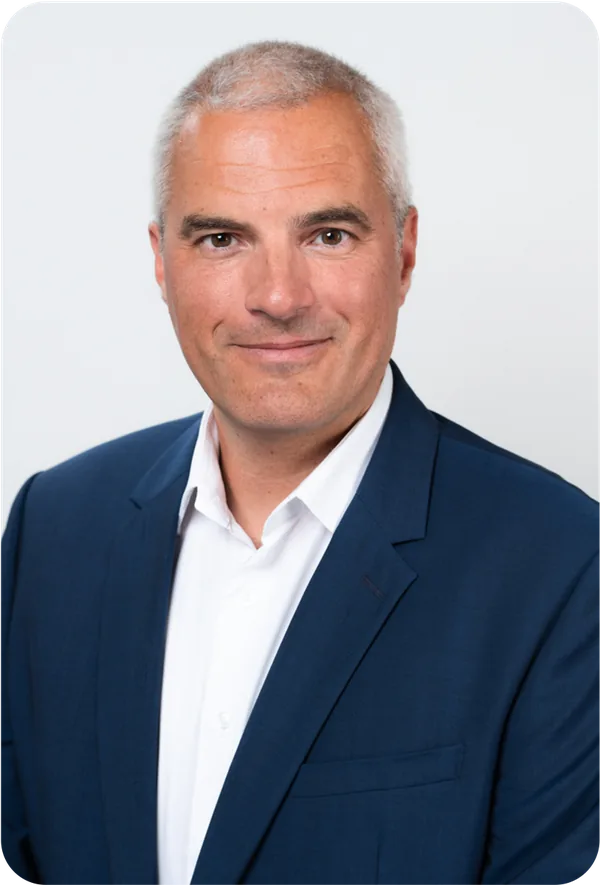
Fabrice Claré
Finance expert consultant, your contact for the demo
- Qualified chartered accountant
- Former CFO and auditor in national and international groups
- Led several transformation projects